Just look up

Most of us are curious.  Some more than others.  Some of us are bored. Some more than others. Many spend every free moment scrolling through their feed, looking at pictures, posting pictures, see someone else’s life.  Part voyeur, part spectator, measuring, comparing, wondering, being entertained.  Our phones make it all too simple. Everyone is looking down, watching, listening, connected to some other reality.  Hypnotized.  Tranced. Busy with the screen.  Tuned out.

This insulates us from each other. It also insulates us from the power of boredom or of free thought.  Time to just let the mind wander. Be.

We need to stop looking at our phones.  They are robbing us of the present. Drowning out our humanity and opportunity to connect.   Sure, they are convenient and productive and even enjoyable. But the price is high and we do not even realize it.  Everyone is looking down.  In the coffee line.  Waiting – but not waiting, always looking at something, scrolling through something, texting someone. Hypnotized. Silenced. Dopamine drugged.

Further, we used to be content creators – posting our own pictures and stories. Trips and reflections, silly photos and moments. Now – for most of us – we are just scrolling for entertainment. A curated feed of movies clips and puppy videos constantly being customized, fed, so much so many of us do not even post of ourselves or our families. Maybe because it felt too much like bragging or maybe because the influencers started to make our posts seem not good enough interesting enough or worth enough to share with our echo chambers of friends. When did reels of old movies clips become more important that connecting?

Whatever the case may be – our phones, social media – are making us more isolated then ever.  It should be called unsocial media – or not-so-social media. What was once social has become simply a form of entertainment – and worse, it has turned our eyes downward and away from each other. And it happens at some of the saddest places — go to a restaurant and watch how a couple scrolls their feed during their date — or better yet, watch how a family arrives, with two children and two ipads — just to ensure mom and dad can have a moment. Are the ipads at dinner a good thing?  They just make me sad. Sad at the moments lost, the conversations missed, the messy middle of togetherness without distractions. It wasn’t pretty, it wasn’t quiet, but it was togetherness.

We are also changing the chemistry in our brains. The need for the jolt of dopamine or the quick distraction – there are no more opportunities for the mind to wander. Why should it? I can just check Instagram. Or TikTok.

It was hard when my kids were little and I had to take them all to the doctor. Maybe one of them had an appointment, but all of us would have to go. This was during the pre cell phone time. (not all that long ago). And we would figure it out. Playing “I Spy” in the waiting room, doodling on that white paper that covers the examination bed or looking through the worn out dog earred Highlights magazines or Dr. Seuss books in the waiting room. Self-regulation was practiced over and over in small and big moments. And yes, it was hard – but those skills, learning how to sit still or be quiet or wait – just wait in the moment – those are important skills. It helps later on when you are in class or a meeting or a time when you have to just be. Still.

Boredom was not all bad. Having a moment to think was not all a waste of time. For it is in those quite moments in between the doing that magic can happen. That a memory surfaces or a new idea is born. How did we so williingly give up our own interest in the world? How did we so willingly trade personal connection for a smartphone? How did we forget that quiet time in our brains is to be cherished? Next time you are in the coffee line, or on the subway, or waiting for the movie to start, or to be called for your appointment, look up. Rest your brain. Resist.

58

It was always silly of me to think that I wouldn’t outlive my mother.

She died at fifty-seven—suddenly, out of the blue. My life afterward was forever changed, some of it for the good, some of it for the bad. The bad is obvious: a sadness that filled my heart and clouded my days; a shock to the system; the loss of my foundation, my rock, my home. The loss of her. Of all the special days—and the ordinary days—that she was no longer part of.

The good part was unexpected. Her death reframed my entire consciousness. It made me less afraid—while also giving me a more balanced perspective on living. Whether it was public speaking, running a marathon, or starting law school in my forties, I was undeterred. What was the worst thing that could happen? To me, it felt as though the worst thing already had.

But as I approached the age of fifty-seven, I felt oddly vulnerable. Mortal.

It helped to think about what my mother’s life had been like in the years before she died. A daily drinker since her twenties, my mom could barely wait until 5:00 p.m. to pour her first scotch “on the rocks.” She kept pace with my alcoholic father when they were together, a dynamic that wore on her in unhealthy ways. She was always chubby—a word she used to describe herself—her legs splattered with varicosities that ached at the end of a long day.

It seems strange to me now that I didn’t notice all of this more at the time. The drinking. The toll it was taking on her physically and mentally. I knew she wasn’t especially happy—but I never thought she would die. I don’t think our culture really considers that drinking can kill you. And technically, my mother did not die of alcohol; she died of a heart condition. But the daily drinking surely didn’t help, and most likely exacerbated her death.

Even knowing that—seeing the differences between her lifestyle and mine—turning fifty-seven felt ominous. Surviving the year felt uncertain, as though maybe I wouldn’t make it. I know it doesn’t make sense, but that’s how it felt in my body.

That fear was enough to motivate me to give up alcohol—my joyful companion for decades. Knowing it was causing me anxiety and stress, knowing it was only hurting my body, believing that it may have contributed to my mother’s death—all of that crystallized into a simple idea: I wanted to be as healthy as possible. I wanted to control what I could, to live as long as I could, to be alive for my children. That was enough.

As it does, the year flew by. A cliché, yes—but as I get older, time really does move faster. And guess what? I survived fifty-seven. I’m fifty-eight now, and it feels different. It’s strange that she never got to see it—either herself turning fifty-eight, or me turning fifty-eight.

Her legacy lives on in me now: this alcohol-free self who still remembers her smile, her laugh, and the joy she took in being my mom.

My mother’s death changed me—mostly for the good. But every day, I would trade all of it just to see her face, hold her hand, feel her hug.

Or pour her a drink.

High and soft

Through middle school and high school, there was so much my coach did for me. He taught me trigometry and how to serve in tennis. He taught me how to shoot a basketball and run a perfect in-bounds play from under your own basket (tip, keep your eye on the in-bounds-er). The wins and losses are a blur to me now, but I know we won more than we lost. He and I would play one-on-one after practice, him indulging me long enough before he would pull out his famous hook shot, from ‘downtown’ and there was no, absolutely no way of stopping that shot. More times than not, he would drive me home, making sure I got home safely.

My parents were home, of course, just busy with their live at five news program competing for their attention with the scotch on the rocks that they had just poured. Mystifies me now, but at the time I didn’t blink an eye. Thought it was totally normal to walk home in the dark, through some woods, in the dead cold dark of winter, still sweaty from practice – in the years before cell phones or portal flashlights…that just was what was expected. That was a different time I suppose – except I know that I was the only one on my team without a ride home.

By my junior year in high school I had gotten into a terrible situation. I didn’t realize it at the time. At the time I thought I was in love, at the time I thought it was normal. Normal for my summer beach boss to feign love and interest for blow jobs and back rubs and sex in the back of his toyota four runner. He gave me the attention I didn’t get at home, and took me surfing and gave me gold earrings and cash and beer to drink. He took me to physical therapy appointments which made all that time in the car with our clothes off much more easy to schedule. This went on in front of everyone. My parents, co-workers at the beach club. People in the community. I know he bragged about it to his work friends. I know we once borrowed one of his friends houses while they were out of town. With a wink wink nod nod to it all. I know one time when my parents were away we were almost caught – and instead of my dad being concerned for me, my wellbeing, he called me a cunt. Angry and upset. And then once he calmed down – that was when he was so worried about how it might all look in our small communitiy if I were to quit my job. Not worried about what was happening to my body, or to my soul, but what would it look like? How would we explain it?

The denial was easy for everyone it seemed, except when it came to my coach. He didn’t like it one bit. He sniffed it out and asked me over and again, “hey, you ok with that guy?” I was young. and so utterly confused. “That guy” was a respected teacher and active in the community. He was married with kids just younger than me. His wife worked in the high school as a librarian. Sure, I was smart and mature, had to grow up fast in my house where my parents were drunk most of the time. But still, I was so so young and easy. All that guy had to do was show me some attention and affection and it got so very confusing so very fast.

This morning I read how Megan Kelly thinks the victims of Jeffrey Epstein weren’t young enough for him to be wrong or a pedofile. And I am sick to my stomach. Nauseous. That isn’t consent. I didn’t consent. He was my boss, he was 29 years older, he did know things – like how my parents were checked out (after all, he went to college with my father) – and that I was pretty much on my own. A minor child is too young to understand – and vulnerable. Full stop.

My bad situation went on for years. He would follow me to my college and take me to an awful cheap motel where he paid in cash. I would have burn marks on my lower back and sore where it really hurts the most for days after.

I don’t remember how I made it stop. How I got out. I just know that it did. Maybe I got too old. I was far enough away from home and maybe the distance did the trick.There is so much blurry around it for me now.

But my coach, he cared. He was brave enough to ask. I will never forget that. All the stuff he taught me, about math and basketball and hook shots, that was all really good stuff. But the most imporant lesson of all was how to speak up; to ask the hard question; to check in on someone when you see something that just doesn’t feel right. I was so close to telling him the truth, but I just never found the courage. But because he asked, I felt less alone and that, beyond all else, is the most important lesson he ever taught me.

Freedom

This is something I never saw coming. Today is day 341 alcohol free. I quit fast and slow last November. Fast because it was like I flipped a switch and just decided I needed to quit. Slow because I was thinking about doing this for the past so many years and I just didn’t know how.

Alcohol had always been a part of my life – for as far back as I can remember. My parents were both daily drinkers, each day punctuated by a scotch on the rocks at five o’clock. They drank together, with their friends, and it just was an everyday thing. While we may not have had money for lots of things, there was always money for scotch, or gin, or rye and vodka.

My dad was a complicated and predictable drunk. His signs were easy to detect. Sometimes the drink made him slow and sloppy, loving and weepy; sometimes the drink made him angry and bitter, violent and scary. For my mom, it was always the same. The drink made her sad and weepy, weak and compliant.

While my brothers took the brunt of my father’s abuse – whether direct violence or painful neglect, my path was different. To keep on his good side, I lived a life of over-achieving, excellence, finding my way to win as many awards, academic, athletic, and otherwise, to keep my place as the perfect child intact. I was the only daughter and that helped too.

But this story isn’t really about that. Even though it started there and marianted there. This story is about me and how I started drinking when I was fifteen and didn’t stop until I was 56. Every holiday, major event, was fueled with alcohol.

Because the hard stuff scared me and reminded me, I kept to wine. White wine was my companion. How I relished that first sip, allowing it to sit under my tongue before swallowing. It was my reward, my treat, my friend. Or so I thought. And I could not imagine a life without it.

For the most part, I was a very controlled drinker. Careful to not allow myself to become the angry drunk or the washed up sleepy drunk, I always knew when to stop. With a very few exceptions, I never over-indulged. Rarely screwed up – and never once blacked out.

I was what I know understand is known as a ‘gray area’ drinker. Someone who regularly consumes alcohol and has some dependence on it – but who doesn’t really fit the profile of a raging out-of-control alcoholic. I never missed a day of work, rarely even got hangovers and could always maintain a sense of control.

However, I was struggling. There was this growing ambivalence around my drinking and a real fear that I would somehow at some point become my parents. That if I wasn’t hyper vigilant, losing my control was an inevitability. And so I was ever so ever careful. And over the past two decades so many mornings bathed in regret – “why did I have that one more glass? Ugh, I didn’t sleep well and I have a sour stomach. That wine last night must have been cheap because I have that gross feeling today.”

Sure there were times when I tried to take a break – and I did so somewhat successfully. Dry January. Sober October. Whole 30 – but most of those efforts were not stellar. Most included a cheat day, some time during which I would have a nip. Sometimes I would hide it – in a coffee mug, just to keep up appearances. All of those efforts were fueled by pure will power, white-knuckling it through.

Until I read, “This Naked Mind” by Annie Grace. That book breaks down the physiology of alcohol in our human bodies – and explains the why behind my regular drinking. It gave me the insight to understanding exactly what was happening and why it was happening. With that vital information, I came to understand alcohol for the toxic poison that it is. And I came to understand why my body and mind craved it when it did. We are not in a fair fight with alcohol – it uses our body processes to keeping us linked. With that information, I had ephiphany after epiphany about what was happening in my relationship with alcohol.

I also discovered a community – a podcast of stories – of other people, much like me that had this same struggle. Up until now, I had felt my only option was Alcohol Anonymous – yet I knew I wasn’t that kind of drinker. My brother, almost thirty years sober, had brought me to many of his meetings over the years. That works for him and for so many, and it is vital- but I could not relate. I didn’t drink like that – but the Naked Mind community – that was something. Those stories did resonate. That freedom from alcohol was possible. Testimonial after testimonial was proof that maybe I could also be free.

Sidebar. My mom and dad died too early. Both had horrible health issues. My mom died from a cardiac arrest at age 57- not directly from alcohol, but I am quite sure all of the drinking compromised her life and that she could be alive today had it not been for all the scotch. My dad died directly from alcohol poisioning – N-stage Cirrhosis of the liver. He bled out of his body. Found dead among the bottles of booze in his condo. That has been a hard thing to live with.

I was about to have a birthday, turning the same age, 57, my mom was the year she died. I decided that I wanted to be the very best I could be – to honor her and to honor me and to honor my kids, I decided to give up alcohol for my entire 57th year. And so I did.

That brings us to today. It was surprisingly easy to stop. And yes, there have been some moments when I thought about a glass of wine at the end of a work week – but mostly it has been ok. Bolstered by my knowledge of what is going on with my body – and my overall ambivalence over the years around alcohol – there has been a surprising measure of, relief.

The ephiphanies have been many. The biggest one centered around the fear of how could I go through the holidays or family birthdays or graduations without having that glass of wine or champagne? After all, alcohol always had a place at the table, always an invited guest. The realization is that I didn’t know anything different. Could it be that maybe these events would be all right without alcohol – So, why not give it a try?

What I have discovered is that it is really nice to be alcohol free. To remember every conversation. To not worry about driving home or being too tired. To never wake up wondering why I said something – overshared or became argumentative – to wake with no regret or upset stomach. To sleep through the night. To feel cognitively really sharp. I never knew that I had this super power.

What is also true, is that I now feel all of my feelings. Sometimes that is hard. There is discomfort. I am not escaping or numbing out when someone hurts my feelings or when I miss one of my children, or feel bad about my divorce or get into an disagreement with a sibling. I feel all of it. But the feelings do not drive me to drink. They just drive me to awareness. A knowing that I was avoiding all of that – and an acceptance of how life is just hard sometimes. But tomorrow, the sun will still come up and I get to try again.

I know there are a lot of people like me. I used to drink with many of them. We shared a bottle of wine and a nice evening. But I know many, like me, wake in the middle of the night bathed in regret and feel physically not so great. For those, I hope my story provides a light. Hope. Support.

The sad truth is that our society glorifies alcohol. It is our cultural celebrity. It is part of everything. And for whatever reason, it continues to be the one activity in our entire life experience that has to be justified if you decide to stop using it. Really. Think about it. If I was doing anything else – anything – and I decided to not do it, I would not have to write about it, talk about, justify it – at all. Yet, here I am. Sharing this story. Mostly because I hope it helps someone else. Someone who like me is in a struggle around their relationship with alcohol. Someone who is looking for a way out but who doesn’t want to be seen as if they have a problem or can’t handle their drink – someone who wants to be free.

I encourage everyone who drinks to read “This Naked Mind”. It is non-judgmental. Just good information. Especially for those who feel like they have everything else under control in their lives- who are high functioning, generally happy people – yet, who can not stop pouring that glass of wine, even if they woke up that morning saying they weren’t going to drink that day.

Sometimes someone will ask me if I ever will drink again. Mostly I tell them that I don’t think so. I started this journey to not drink for the year of being 57 – but the overall benefits and feeling of my life now is just too good. The sleep is delicious, the clarity of thinking and the beauty of my interactions with my family, my friends – its just too good. I feel like I am aging backwards. I have been delighted and surprised and can not imagine a world in which I would ever go back to that ambivalent, somewhat stressed, and tired person I used to be.

Be curious. And know, that you are not alone. Freedom from alcohol is amazing and worth every drop.

Nerve Damage

I was eleven years old. I had made some of my own money that summer babysitting, and had even gone shopping to buy my first day of school clothes. I still remember them – a pink button down oxford shirt, long sleeves, and cream colored thick cordoruys. I felt so cool wearing them – and despite it being late August, it was what I wore to my dentist appointment for a scheduled cleaning. Notably, it was the first time to the dentist without my mom and she was even letting me borrow her bicycle to ride to the appointment.

I remember feeling so grown up and happy – until I arrived at the dental office and accidentally got black bike grease on my new corduroys from the bike chain. I was crushed. I knew that there would be no getting that out of the new pants. I couldn’t believe it. I almost cried I was so upset.

Like any kid, I never really liked going to the dentist. Sure, the treasure chest box at the end was great and I loved picking out my prize; but the lecture on flossing (always hard for me because my teeth are so crowded) to the awful gooey flouride treatment – I couldn’t wait for the appointment to be over so that I could pick out my prize.

This particular appointment went like all the rest – until it didn’t. My dentist had done the typical annual x-rays of my teeth. Never a big deal – as I had yet to get even one cavity. But today, for whatever reason, the results were quite different. The x-rays showed eleven (11!) cavities. I had that sort of physical stomach sour body experience when your whole face then goes red and hot and you feel like you are on the ceiling looking down at yourself. I still remember the subtle ‘tsk, tsk’ echoed by the hygienist and the concerned look on my dentist’s face. He went out of the room to call my mother. I was devastated. Embarassed, but most of all, worried that I would get in trouble. With my dad.

Money was an issue in my house. It seemed like we never had enough. We never took a vacation and everything was analyzed for how much it cost. Our only trips were to visit my father’s parents who lived about an hour a way. Since we lived near the ocean, I think my parents wagered that we were on vacation most of the year being able to get to that beach on the regular.

Money, or the apparent lack thereof was a constant theme in our home. My mom cut coupons and pinched pennies. My parents never hired someone else to do a job they could do themsleves – and that list of DIY projects was expansive. I didn’t notice this at the time, but there was of course, always enough money for scotch. They never ran out of that.

My mom arrived at the dentist’s office, looking concerned and anxious. I showed her the grease stain on my pants and she looked right over me to the dentist. Eleven cavities, was he sure? He mentioned something about a payment plan….

I was eleven years old. This news was devastating and I knew my mom was already worried about the reaction of my father. She would be blamed for this problem and they would argue again about money. It would be as if she failed at mothering me – she was a stay-at-home mom to the core and this was one of those tests. My cavities would be a reflection that she wasn’t doing a good job.

But that conversation never happened. There was never any reveal. My mother made it our little secret. My father never knew. Nobody ever knew.

Life went on. I was thrilled. No more dentist, great by me. I went about my life, going to school, going to the beach, and continuing to eat copious amounts of sweets. Eventually, as I entered senior year in high school….yes, over seven years later….I noticed that sometimes my teeth would hurt when I bit into something sweet. I didn’t think much of it, and would shiver at the thought of going back to the dentist. So much time had passed, it seemed like I could never go back now.

But this dentist was a kind man. Our town was a small town. He somehow knew that I had never gotten treatment for those cavities. So late in the summer of 1986, as I was about to leave for college, he encouraged my mom to bring me in to the office. And she did. Once. He did some restorative care — but it was never completed and I left for college – happy to be leaving home and far away from the dentist. I even remember his office calling on the morning I was leaving for freshman year – pleading with us to finish the work on my teeth.

After college, the pain in my mouth got worse and a small molar broke ever so slightly, leaving a chipped tooth. Still, no dentist for me. The trauma and shame of that moment, so long ago now haunted me, stifled me, obstructed me from getting the care I so desperately needed.

It took a significant amount of pain and an infection – I was 25 when I had my first tooth pulled. It cost $75 and I felt like I had no other choice. When I had asked my dad for money to help with the cost of the dentist to get it properly fixed, he told me to call him when the loan shark was about to break my thumbs. Sweet guy, my dad.

After that, married, and employed, four root canals followed in quick succession. They bankrupted my young family and the pain was excruiating. I had most of them while pregnant with my children, when the dentist couldn’t use the proper novacaine – and so I suffered. Think Dustin Hoffman in marathon man. Tears running down my face, quiet shame-filled tears.

As my children grew, their dental care was such a priority for me. I made sure they had kind dentists and that trips to the dentist were punctuated by fun excursions before or afterwards. I never wanted them to feel shame or embarassment if they got a cavity. I learned that the PH of one’s mouth has a lot to do with whether or not bacteria can grow fast or slow. My PH is perfect for tooth decay – and so it was for a couple of my kiddos; the others inherited their father’s PH and have yet to get a cavity.

Becoming a mother provided me with such clarity around my childhood experience. What I came to realize is that all the shame I carried around with me all of those years was misplaced. I was neglected. Simple as that. I was not the grown up, the adult, the parent – I was the child. And in that crazy childhood home that valued scotch over common health care and that liked to deny certain truths hoping that if we just don’t talk about it, it will just go away…well, that was not my fault. Of course I wasn’t asking to be taken back to the dentist. All I remembered from that day was the look on my mother’s face – the feeling that I had done something so very very wrong – the judgment on the hygienist’s face – but I was the child. Among the adults.

We were very middle class – and had insurance. My parents could have taken care of me, but they choose not to – the emotionally abusive alcohol drenched lifestyle prohibited it. My teeth are the physical embodiment of my childhood, the internal scarring was much worse.

I carried that shame around me like a big secret for years. Therapy and becoming a parent myself helped me out of it. I sought and received excellent care. I eventually got an implant for that extracted tooth – sweet success and triumph over my sadness and shame having lost that tooth years ago.

Fast foward to last Thursday, October 2025. I felt a twinge in a 30 year old gold crown that I got when I was pregnant with my eldest child. I didn’t think much of it until later on Friday when I knew that feeling – that nervy kind of pain. I called my dentist on Saturday morning and they suggested advil and tylenol together to relieve the pain – and that they would try to fit me in on Monday.

By Monday morning the pain and pressure was unbearable. The amount of advil consumed was testing the patience of my stomach lining and barely giving me any relief. If I was lucky I would get two hours reprieve before having to ingest more Advil and Tylenol. I tried THC/CBD just in case that would help and it did a little in making me sleepy.

The decision was made to remove the tooth – after twenty-four hours of anitbiotics. So this morning, bright and early and practially blinded with nerve pain that resonated and emanated all along my jaw, top molars and front teeth, I sat down in the dental chair. It took almost two hours – the trouble was how to make me numb as the PH of the bacteria (acidic) was neutralizing the numbing agent (base PH) – this all new knowledge to me and not all that helpful. At one point, my dentist almost gave up and suggested that we stop and that he would refer me to an oral surgeon. I told him no. That I had given birth to three babies without any drugs and that I could handle this too – and that I could not wait another moment to have that tooth removed.

And so he did – and yes, good god it hurt like hell.

And then I was in my car. Sobbing. The vestiges of that childhood shame wrapping all around me like a black cloak. I was that little girl again in her thick corduroys stained with grease – feeling bad about myself, scared and hurting, inside and out.

And then I wasn’t. I took a deep breath. And I felt the anger and indigation of a childhood filled with neglect. But I remembered that I was older now. That it wasn’t my fault. That I was doing the best I could with the tools I had. And as I worked through that pivot, I was filled with gratitude.

Gratitude that I have a dentist.Gratitude that since that time, I have gotten good dental treatment, regular cleanings and help.Gratitude that I have the money to pay the dentist. Gratitude that when the time is right, I can get an implant to replace the lost tooth. Gratitude that I have a supportive family that treats this recent problem the way it should be – with compassion and care, and not ridicule, avoidance or shame.

Nervy tooth pain has got to be the absolute worst kind of pain. I don’t know what I would do if I didn’t have the resources and privileges that I have. I have been thinking a lot about that these days – and I was also thinking about all the children, that grow up with the scars and baggage of their childhoods and how that creates adults with all sorts of hidden shame. Shame is just the worst. It is like a black cloak that shrouds the best of intentions, makes us vulnerable and avoidant.

Yesterday, I thought a lot as I took a quiet day to recover. I remembered that simple quote “Be Kind. For everyone you meet is fighting a battle you know nothing about.”

We all have our stories, and many of us have nerve damage. Some of that damage is to an actual physical nerve and some of that damage is to our nervous systems – either can wreck havoc and cause a lot of pain and suffering. May we forgive ourselves and our parents, as we try to live and survive this big beautiful life. May we learn to heal and put down any of our dark cloaks of childhood.

Remembering to ask

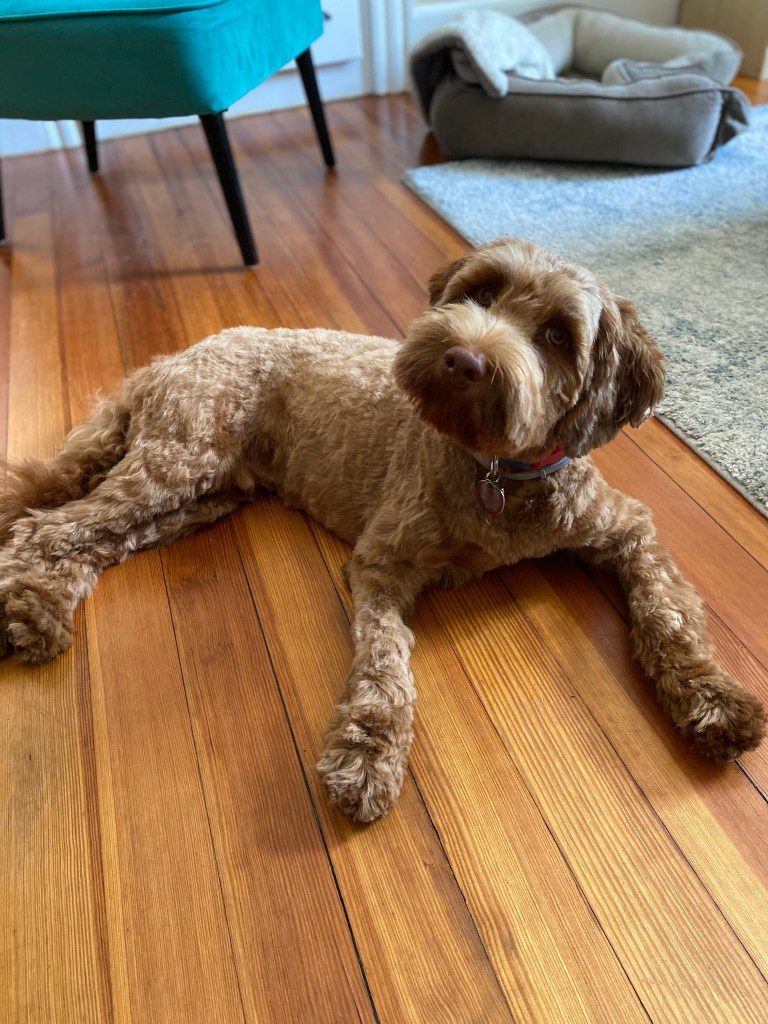
I am in the empty nest. Finally. It happened. Delayed by a year due to COVID, as of a few weeks ago, all my chicks have flown and the house is quiet.  I share it with my one year old aussie labrodoodle Charlie, who was a gift to our household during the first months of the pandemic, providing emotional distraction and support to counter the anxiety, sadness, and loneliness felt by my children as their paths were sidelined and they found themselves home.

Charlie has not disappointed. He is loving and fun and always ready to play or cuddle and can switch gears appropriately.  My children have taught him how to hug. Literally.  This started when he was a wee pup and it continues to this day.  The unfortunate consequence is that he has developed the bad habit of wanting to hug as soon as someone arrives through the door, which looks and feels a lot more like jumping up (which most people don’t like so much) – but if you make it to the couch and rest back, the hug will engulf you, his legs on either shoulder and his head resting next to yours (with the occasional lick and sniff of course.)

So now with the children gone. The house is quiet.  Charlie and I have our daily routines and frankly he seems a bit depressed.  He does not have the perspective of how they were stuck home wanting to be at away at college or properly launched and living independently away from home. He just knew the time when they were here, and now his humans are gone. 

He has taken to resting on the bottom step or the top step, just waiting and looking.  What has been perhaps most mystifying, is that when I get home at lunch time for our walk or at the end of the work day, he does not move.  He does not get up to greet me, he just waits there.  I have to encourage and cajole and ask him to come down for his walk. It has been strange.

For a bit, I chalked it up to the emptiness of the house and perhaps that is it.  Recently however, the lack of enthusiasm and jumps and hugs coming my way has made me a bit resentful, and even sort of sad.  I have even caught myself feeling jealous when Charlie greets my girlfriend at the door with the same sort of unbridled love and joy that he would show my children.  I have a feeling that I never quite noticed that I did not get the same sort of greeting.

This past week, on one such regular quiet day, I got home and made my lunch, leaving Charlie to his own devices at the top step.  After eating my lunch, I sat down on the couch and leaned back, the way my son would when getting a Charlie hug.  I called to Charlie and within a moment, he was up on my chest, little legs on either shoulder giving me some kisses and snuggles.

I realized something.  All I needed to do was ask.  All those other days, Charlie did not know that I wanted a hug.  I had never asked him for one before. 

I realized that there is a truth here that applies to all relationships – human and otherwise. 

Often we can be in our own heads about someone or something they are or are not doing.  We might feel resentful, jealous, bewildered – and asking ourselves why?  Why are they not getting up to say hello? Or invite me to the party? Or the book club? Why don’t they love me? Do they not even like me?

And I realized that maybe, when we are in our head and wondering all those wonderings and making all those assumptions, that we need to ask ourselves, did we let them know we were interested, lonely, wanting, needing that hug?  To somehow communicate of interest, curiosity or desire? Did we remember to ask?

I know that I may come across to many as a whole put together happy human.  And for the most part, that is true – but I have that soft underbelly just like the rest of us – and sometimes, most times, I just need a hug. 

Next time, I have to remember to ask.

Close to shore

Sunday morning swim at Walden. I didn’t make it out as early as I would have wanted, but it was just as beautiful. After my open swim, where I began at the pond’s edge and swam straight out into the open water, standing at the shore, I watched a strong swimmer, inside the roped off swim area close to shore. He was swimming laps. Back and forth.

There is this huge beautiful open space to swim, where one does not need to consider turning or going back and forth – there is an invitation to swim as far as you can without stopping, up to a mile. Yet, this strong swimmer chose to swim laps, five yards from shore; preferring to stay restricted. Did it feel safer? Was it easier to quantify the distance? Why so tamed?

How often in life do we choose the same kind of safety? When the challenge or opportunity of an open pond, a wide open opportunity to see how far you can go; instead do we choose to stay within our box? A safe place where we go back and forth instead of forward. Where we can touch down and feel the bottom below our feet, instead of going deep.

I felt a sort of sorry for the man. Sad, that he wouldn’t see the big invitation to the wide open. That he was stuck in the back and forth close to shore, safety. Sure, he was getting the same exercise, but was it the same? Where was freedom, risk, adventure?

He is perhaps home now, also drinking coffee and reflecting on his morning swim at Walden. Did he see me with my orange bubble, swimming out alone to an unforeseen end and think me foolish? Unsafe perhaps? And unable to truly measure how far I was going? Perhaps.

Heart health

February is heart health month. Good awareness for all that teeter on the edge of heart health. The heart is both the strongest and the weakest muscle in our body. Magnificent in what it does every single moment of every single day. Until it doesn’t. Until something happens.

I want to share a story. A story that still scares me and that perhaps will forever be a source of flashbacks, discomfort, and the oh so ever knowing that but for the grace of God or the universe or just dumb luck, my beautiful son, my beautiful perfectly healthy son, my beautiful perfectly healthy athletic son almost died. Because his heart stopped.

It was a regular ordinary sort of six o’clock. I was making burgers. Grill firing up. My eldest son was upstairs changing out of his work clothes and my daughter was about to set the table. My beautiful oh so perfectly healthy son was on the couch, scolling through his phone and texting his other brother something like where the heck are you, mom’s about to put dinner on the table.

And then, my daughter saw something. Something not right. Out of the corner of her eye. While she was setting the table for the first time in forever. She yelled to me, and because as parents we know the tone and tenor of our children’s voice, I ran to the living room.

And there, that perfectly healthy oh so athletic twenty two year old son of mine was under attack. His body was failing. He was gasping, reeling back, eyes closed, fighting something we could not see.

I yelled to my eldest to call 911. We pulled the seizing not breathing, dying son to the floor. And every muscle and instinct in my body took over. Years of annual CPR training at a preschool where I used to work all came back to me. I knew he was not breathing. I felt for a non existent pulse and I started yelling at him to wake up and I started to push down with both hands linked in the center of his chest with all my might. With every single bit of me. I did not stop until the EMTs arrived five minutes later.

And then it was just like a movie or a hospital drama tv show. They flew into purpose – attaching him to a machine that would take over the chest compressions. Cutting off his clothes. preparing to shock his heart. They yelled “CLEAR” and with that my oh so beautiful healthy athletic son lifted up off the floor and down. Then silence for a second or forever and all eyes on the little monitor that was showing just some straight lines. We yelled. We told him to come back. My other children crying.

And then, the lines turned. And jumped and so did his heart. They stabilized him. They put him on a stretcher. They whisked him away in an ambulance and we followed.

The days ahead were filled with questions and finally answers. We were so blessed and fortunate to have access to that kind of healthcare.

The story continues, but for now it is simply this. Learn CPR. Again or for the first time. I will be ever grateful that I was there and I knew what to do. His brain was never deprived of oxygen. He survived.

Learn CPR. It is no longer about breathing and filling up the lungs with your exhale. Its all about the pumping of the heart. The recirculating of the oxygenated blood that is already in the body.

So, yes, February is heart health month. For most of us that might mean something. For all of us, that must be a reminder of the fragility of the strongest muscle in our body. And that we can help it keep pumping for someone else if we know what to do – even if we think it will never happen.

I never thought that my oh so healthy twenty-two year old captain of his college basketball team would almost die on a Monday night. But an arrhythmia does not come with a warning sign.

Thank you CPR trainers. Thank you Massachusetts Department of Early Education and Care that makes it a license requirement that all teachers are trained in CPR. Thank you American Red Cross. Thank you Lexington EMTs and first responders and all of the doctors, nurses, and medical support professionals at Lahey Clinic who combined to save his beating heart.

Launched

Feels like my world is filled with cliches right about now.  How time ended up going so fast, how she grew up too quickly, how did we get here.  The nest won’t be empty due to the pandemic – but life will also never quite be the same.  There is nothing like a daughter and I have been blessed beyond measure with mine.

We are all artists

This slideshow requires JavaScript.

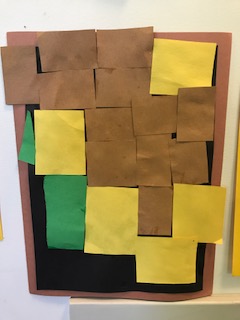
Sunflowers. That was the inspiration.  Brought in to observe and to dissect and to create.  A celebration of fall and September.

The children were provided with time and materials.  Each creating their artwork in a likeness based on their own ideas – choosing the materials they wanted to use.  This to me is what makes it magical here.  To be sure of no right answer; to have no final expectation of what it should look like; to offer no judgment.  Children know all about wonder and about experimentation and exploration.

IMG_5180

If I could choose one that would most dramatically embody what I think is representative of what is essential about a child’s experience at CNS – it would be this cubist interpretation of the flower.  This is what CNS is all about.  Allowing that child to be inspired and to create. To not lose their own magic and feel the pressure to create a flower that looks just like a flower or like someone else’s idea of a flower. Wouldn’t it be great if we could all feel such freedom?